
Lower heating and cooling costs
Insulating the wall cavity reduces the rate of heat transfer, so your heater and air conditioner run less often. Homeowners in Fraser Rise often see noticeable savings within the first year.
Fraser Rise Wall Insulation
Cavity wall insulation for brick veneer homes in Fraser Rise cuts winter heat loss and summer heat gain through external walls. Expert Insulation Melbourne installs it with minimal disruption to your home.
Share your details and Expert Insulation Melbourne will contact you about Cavity Wall Insulation in Fraser Rise.
Cavity wall insulation fills the gap between the outer and inner leaves of brick veneer walls with an insulating material. In Fraser Rise, many post-1980s homes have this hollow space, which lets cold air in during winter and heat in during summer. Filling it improves thermal resistance without removing internal linings or external cladding.
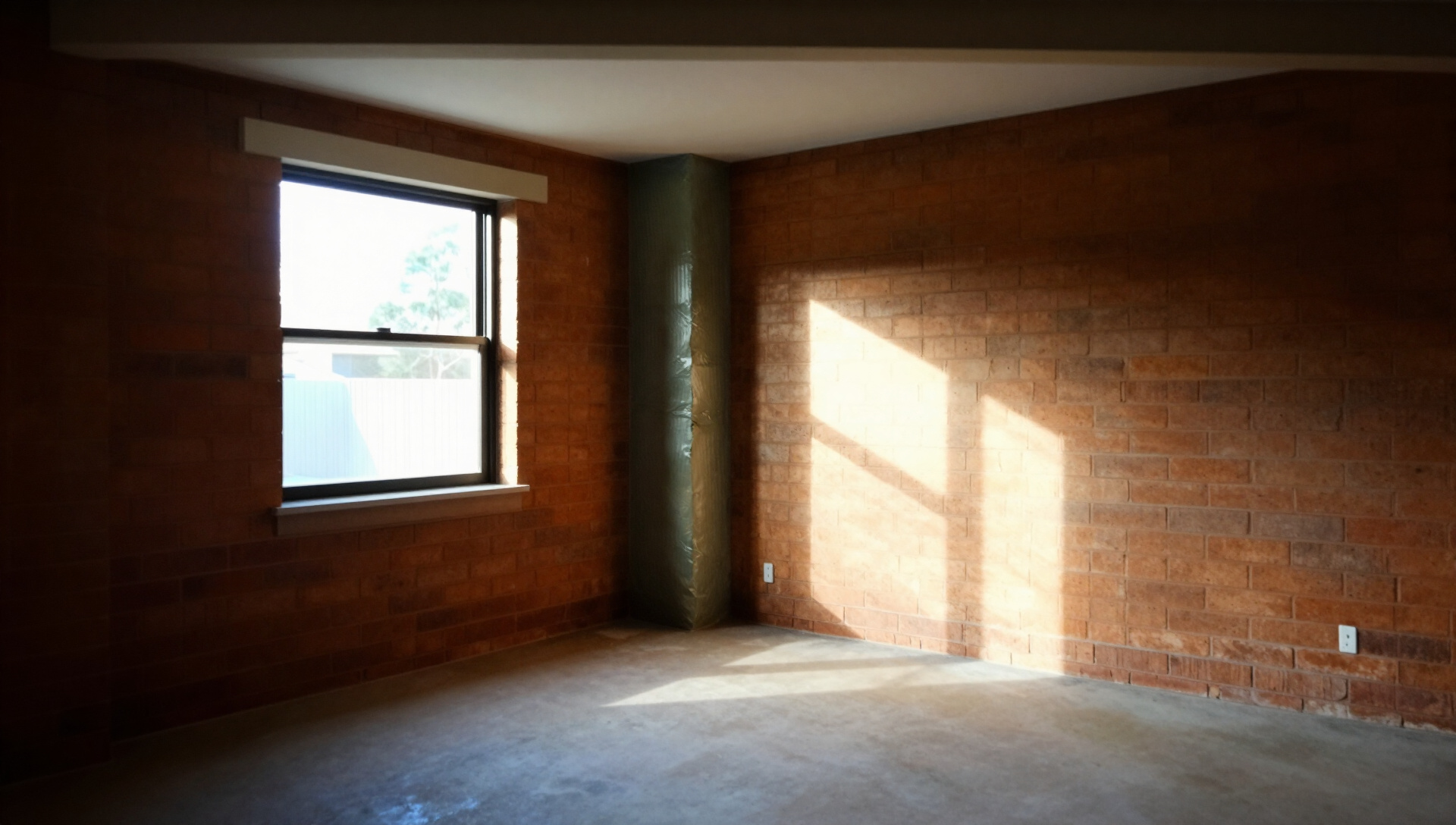
Fraser Rise experiences cold winters and hot summers, and uninsulated brick veneer walls are a major source of heat loss and gain. Cavity wall insulation addresses this directly.
Insulating the wall cavity reduces the rate of heat transfer, so your heater and air conditioner run less often. Homeowners in Fraser Rise often see noticeable savings within the first year.
Uninsulated cavities allow air movement through the wall, creating draughts near skirting boards and around windows. Filling the cavity stops this airflow and evens out room temperatures.
The process requires only small access holes in the external mortar, which are colour-matched and sealed after installation. There is no need to remove internal plaster or external bricks.
Walls stay warmer in winter and cooler in summer, reducing the chill you feel near external walls and the heat radiating from them during heatwaves.
Properly installed cavity insulation helps manage moisture by reducing the temperature difference between the inner and outer wall surfaces, lowering the risk of internal condensation.
If your ceiling already has batts, adding cavity wall insulation completes the thermal envelope. This combination is common in Fraser Rise homes built in the 1990s and 2000s.
The installation is quick and tidy, with most Fraser Rise homes completed in a day. Here is what to expect.
We confirm the wall type is suitable for cavity insulation and check for moisture issues, existing fill or structural concerns. Brick veneer is the most common candidate in Fraser Rise.
Small holes are drilled in the mortar joints at regular intervals, usually every 600 to 800 mm. These provide entry points for the insulation material.
Loose-fill or foam insulation is injected into the cavity under controlled pressure to ensure even distribution. We avoid overfilling to prevent bridging or moisture trapping.
The access holes are filled with colour-matched mortar and finished to blend with the existing brickwork. You will barely notice where the work was done.
Fraser Rise has many brick veneer homes built from the 1990s onwards, often with uninsulated wall cavities. These houses lose heat rapidly in winter through the external walls and gain heat just as quickly in summer. Cavity wall insulation is a practical upgrade that does not require opening up the walls, making it ideal for established homes in the suburb.
Reduce heat loss through brick veneer walls in Fraser Rise with cavity insulation installed through small external holes.
Homeowners in Fraser Rise often have questions about how cavity wall insulation works, whether their home is suitable and what the process involves.
Fraser Rise homeowners with brick veneer walls can cut heating and cooling costs by insulating the cavity between the outer brick leaf and the internal frame. This space is often left empty in homes built before insulation standards improved, allowing heat to escape in winter and enter in summer. Cavity wall insulation fills this gap with a thermal barrier that slows heat transfer without altering the appearance of your home.
The process is non-invasive. Installers drill small holes in the external mortar, inject the insulation material and then patch the holes to match the existing brickwork. There is no need to remove internal plasterboard or external cladding, and the work is typically completed in a single day for an average Fraser Rise home. The insulation material is chosen for its thermal performance and suitability for the wall type, with R-values commonly in the R2.0 to R2.7 range for walls.
Signs your Fraser Rise home may benefit from cavity wall insulation include cold internal walls in winter, hot walls in summer and noticeable draughts near skirting boards or windows. If your home was built with brick veneer and has no existing wall insulation, a cavity fill can significantly improve comfort and reduce energy bills. An on-site inspection will confirm suitability and identify any issues like moisture or existing partial fills that need addressing first.
If your brick veneer home in Fraser Rise feels cold in winter or hot in summer, cavity wall insulation can help. Call Expert Insulation Melbourne on 0399695249 or email info@expertinsulationmelbourne. com. au to arrange an inspection and quote.